
Looking for a music streaming experience beyond Spotify? I get it, I’ve been there too.
Here’s the kicker: Spotify isn’t perfect for everyone. Even though it has 713 million monthly active users and 281 million paid subscribers as of Q3 2025 (Spotify Investor Reports), there are plenty of reasons you might be looking for something different.
Maybe you want crystal-clear audio quality.
Maybe you want exclusive content you can’t find anywhere else.
Or maybe, like me, you’re just tired of high subscription fees or the occasional regional restriction.
That’s exactly why I decided to dig into Spotify alternatives.
In this guide, I’m going to show you the top streaming services that actually compete with Spotify.
And I’m not just listing them, I’ve pulled real numbers, subscriber stats, pricing details, and global market insights so you can make an informed choice.
By the end of this guide, you’ll know exactly which platform fits your listening style, whether you’re a casual music fan, a hardcore audiophile, or a podcast addict.
List of Top Spotify Alternatives
In this section, we’ll explore some of the best Spotify alternatives. You’ll see what makes each platform unique, including features, pricing, and user experience. Scroll down to find the one that fits your listening style perfectly.
Apple Music
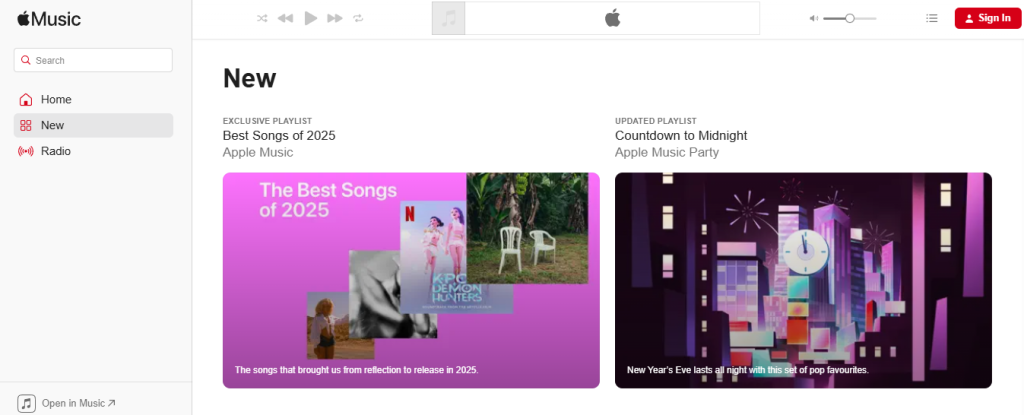
Apple Music was built around the idea of music ownership rather than endless streaming.
Instead of positioning itself as an algorithm-first platform, it focuses on libraries, albums, and long-term listening habits that feel closer to collecting music than scrolling a feed.
This approach comes from Apple’s broader ecosystem philosophy, where services are designed to deepen attachment to hardware rather than maximize time spent inside one app.
Discovery on Apple Music relies heavily on editorial curation.
Human-made playlists, radio shows, and artist features play a central role, which gives the platform a more deliberate and structured feel compared to Spotify’s fast-moving recommendations.
Audio quality is treated as a baseline expectation, with lossless and spatial audio included by default rather than locked behind higher tiers.
Apple Music makes the most sense for listeners who value sound quality, album-first listening, and seamless integration across Apple devices.
Read Full Comparison: Spotify vs Apple Music
Amazon Music
Amazon Music exists primarily as a value extension of the Amazon ecosystem rather than a standalone cultural product.
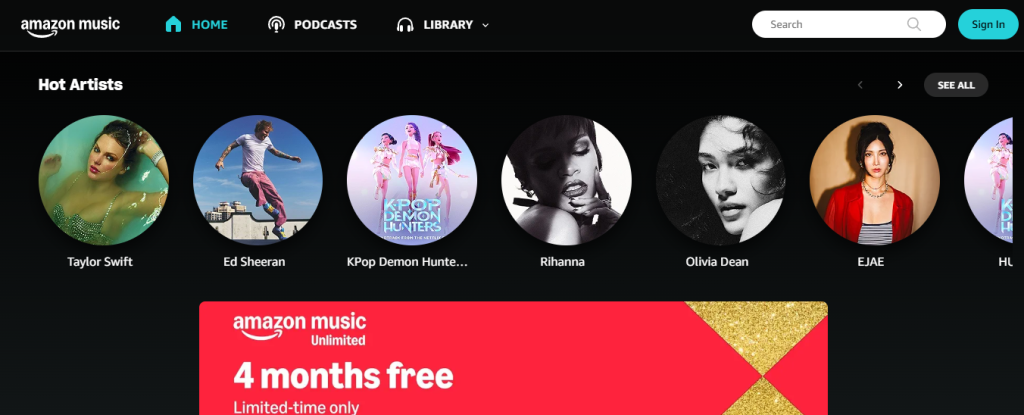
Its strongest appeal comes from how tightly it is bundled with Amazon Prime, making it an easy default choice for users who already live inside Amazon’s shopping, smart home, and Alexa environment.
The platform prioritizes convenience and accessibility over deep personalization or cultural identity.
Discovery on Amazon Music is functional rather than expressive.
Playlists and recommendations are serviceable but tend to favor familiar and mainstream listening habits over exploration.
Where Amazon Music stands out is voice-based listening, especially through Alexa-enabled devices, where hands-free control becomes a genuine advantage.
It works best for casual listeners who want frictionless playback across smart speakers without actively managing playlists or discovery.
Read Full Comparison: Spotify vs Amazon Music
Deezer
Deezer has long positioned itself as a listener-focused platform that balances algorithms with user control.
Unlike services that fully lean into automated discovery, Deezer places emphasis on transparency, giving users clearer insight into why certain tracks or artists are recommended.
This philosophy has helped it maintain a loyal global user base, particularly outside the US and UK markets.
Discovery on Deezer blends personalization with intentional listening tools like Flow, which adapts in real time to user behavior without completely removing manual influence.
The platform also places consistent focus on audio quality, offering high-fidelity options without framing them as elite features.
Deezer appeals to listeners who want algorithmic help but still prefer to feel in control of their listening journey rather than being pushed by trends.
Tidal
Tidal was created with a clear ideological stance: artists and sound quality should come first.
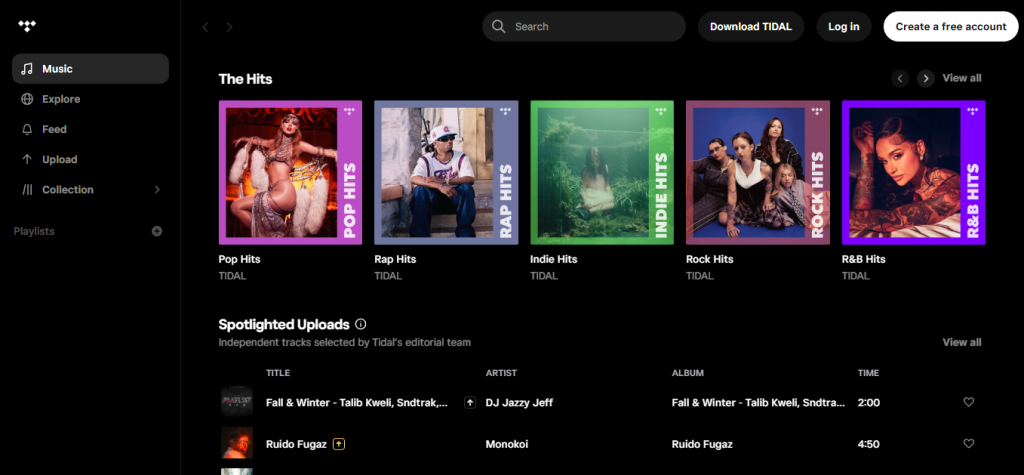
From its early positioning around musician ownership to its continued emphasis on high-fidelity audio, the platform has always targeted listeners who care deeply about how music is produced and compensated.
This gives Tidal a more intentional and premium identity compared to mainstream streaming services.
Discovery on Tidal is shaped by editorial context, artist spotlights, and genre expertise rather than rapid algorithmic turnover.
The platform prioritizes high-resolution audio formats and detailed credits, appealing to listeners who value technical sound quality and musical craftsmanship.
Tidal is best suited for audiophiles and artist-conscious listeners who are willing to trade viral discovery for depth and fidelity.
YouTube Music
YouTube Music is built on the world’s largest video-based music archive, which fundamentally shapes how it works.
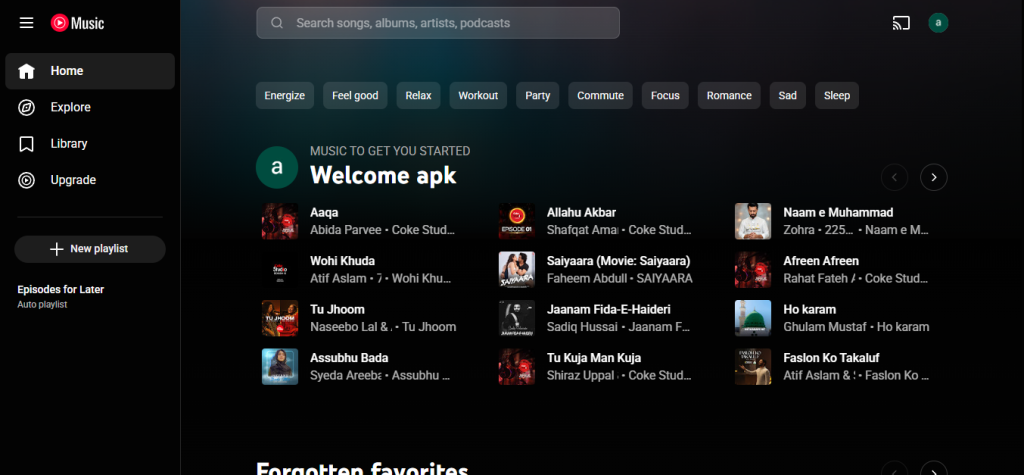
Instead of treating audio and video as separate experiences, it blends official releases with live performances, remixes, and user-uploaded content in a single ecosystem.
This makes it uniquely suited for listeners whose music discovery already happens on YouTube.
Discovery on YouTube Music is driven by viewing behavior as much as listening history.
The algorithm connects songs, videos, and trends across formats, often surfacing versions of tracks that do not exist on traditional streaming platforms.
While audio quality and library management take a back seat, the platform excels at surfacing culturally relevant and fast-moving content.
It works best for listeners who value access, variety, and visual context over pure audio precision.
SoundCloud
SoundCloud was built for creators first and listeners second, and that distinction still defines the platform.
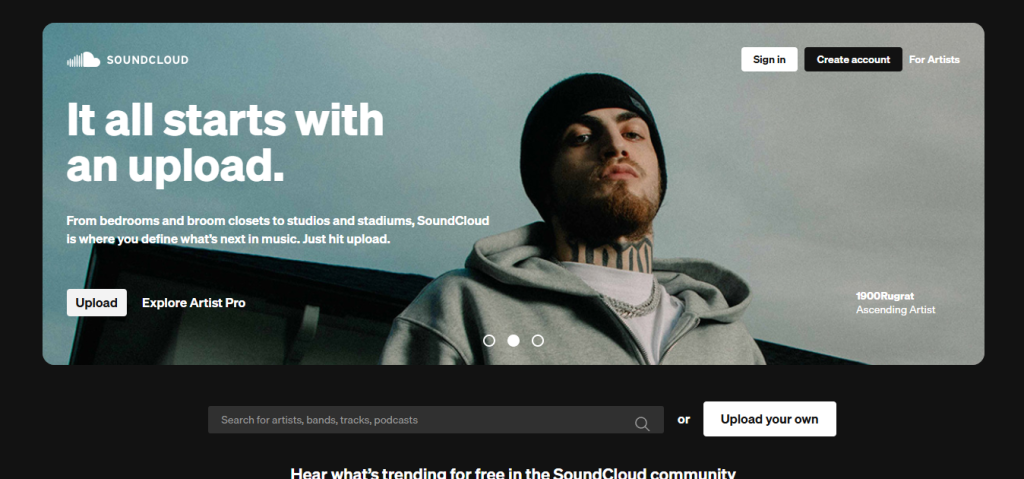
It functions less like a polished streaming service and more like an open audio network where artists publish directly without traditional gatekeeping.
This has made SoundCloud a launchpad for emerging genres, independent artists, and experimental sounds that rarely surface elsewhere.
Discovery on SoundCloud is driven by community signals rather than editorial control or heavy-handed algorithms.
Reposts, comments, and follower activity play a major role in surfacing new music, creating a discovery experience that feels organic and unpredictable.
Audio quality and structure are secondary to immediacy and creative freedom.
SoundCloud is ideal for listeners who want early access to underground music and creators before they reach mainstream platforms.
My Recommendations
After using all of these platforms, I have learned that leaving Spotify only works when the alternative fits how you listen. Apple Music feels better when I want structured libraries and album-focused listening, while Tidal is the only one that noticeably improves the experience when sound quality and artist context matter.
Deezer stays balanced without forcing trends, YouTube Music shines when discovery is visual or culture-driven, SoundCloud is where I hear music before it is polished, and Amazon Music only makes sense when convenience through Alexa outweighs exploration.
My takeaway is simple: do not chase features, choose the platform that matches your habits, and the difference shows up almost immediately.